


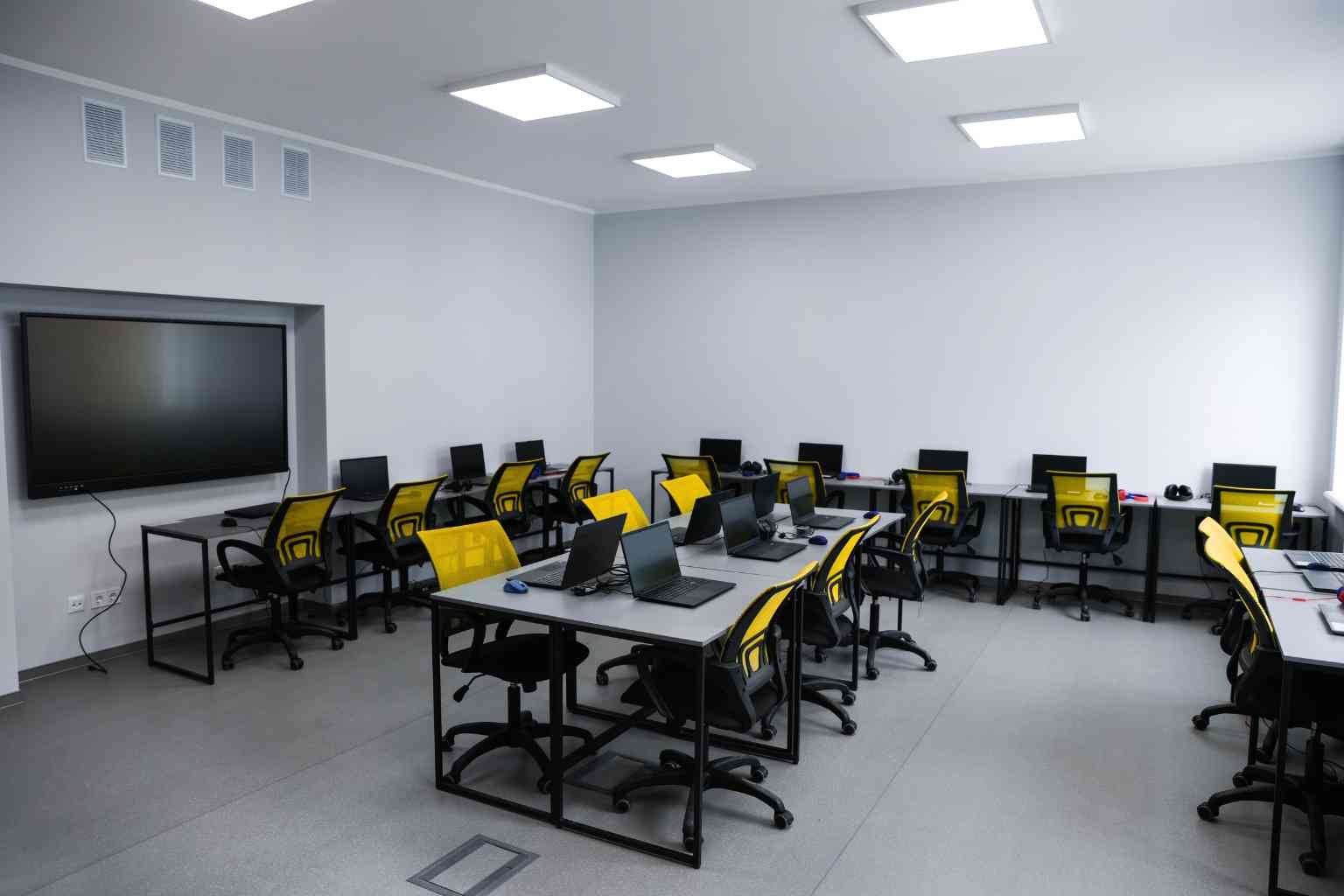
Technology becoming an integral part of the learning environment is rapidly changing education. Educational institutions globally are looking some digital tools and creative pedagogies to improve the quality of education. These are probably called smart schools- institutions driven by technology. As the name suggests, smart schools use an advanced tech-driven approach to enhance classroom learning by creating better experiences for students through engaging.
Education technology is revolutionizing the way teachers teach and students learn. Digital tools can make lessons more fun and help students grasp complex topics better.
1. What Are Smart Schools
Smart schools are those educational institutions who have incorporated modern technology to the teaching, learning and school management. To facilitate the learning experience, these schools implement digital tools like interactive boards, online learning portals, smart devices, etc.
Smart schools aim to provide effective, accessible, and engaging education.
2. Digital Classrooms and Interactive Learning
Smart schools are basically defined by digital classrooms. Teachers show concepts using smart boards, multimedia pedagogy, educational software, etc. Students get a clearer understanding on lessons with the help of some visual and interactive content.
It also grants the students to participate actively in discussions from their peers and facilitators.
3. Tablets and Laptops in Education
Many smart schools give students a tablet or laptop to facilitate digital learning. Essentials for each student, enabling access to textbooks, assignments and educational resources online. Another way digital devices help students is with doing research and completing projects.
Students using technology enhances their digital skills for future challenges.
4. Artificial Intelligence in Education
AI is an increasing part of education these days. AI based systems which can study students performance and give personalized learning suggestions. These tools enable instructors to know where each student stands in terms of strength and areas for improvement.
Personalized learning improves academic outcomes.
5. Key Technologies Deployed in Smart Schools
Here’s some technologies smart schools utilize to enhance learning:
- Digital lessons via interactive smart boards
- There are online learning platforms and digital classrooms
- Educational apps and e books
- Artificial intelligence based learning tools
- Which storage and sharing academic data on the cloud systems
Such technologies serve as an aid for contemporary methods of teaching.
6. Benefits of Technology in Education
The benefits of technology are numerous for both students and educators. Digital tools number one: Resources become more interactive. Students can learning beyond text books and understand the subject better.
Technology also aids teachers in managing classes and monitoring student progress more efficiently.
7. Better Communication Between Students and Teachers
Smart schools are ways to enhance communication through an online way and a digital system. Teachers can instantly send out documents, feedback, and notices to students. There is also the access for students to talk to teachers through educational platforms if they are needing help.
Ages: 3 to 5 Better communication leads to better learning.
8. Remote Learning Opportunities
Technology has enabled remote learning. Students may attend courses online and access study materials from anywhere. This flexibility is particularly useful during times of emergency, or when a student cannot attend school physically.
These online learning platforms enable education to continue without a hitch.
9. Challenges of Technology in Schools
With many advantages, smart schools have some challenges as well:
- High cost of technology infrastructure
- Need for teachers training in digital tools
- Managing screen time for students
- Ensuring equal access to technology
- Protecting student data and privacy
It is imperative that we tackle these challenges if we wish to intersperse traditional Orthodox halachic practice with technology.
10. The Future of Smart Education
Education continues to climb into a newer futuristic realm. Classrooms might feature virtual reality, artificial intelligence and adaptive learning systems. Such innovations will further change the way students learn and teachers teach.
Smart schools are one major step in modernizing and optimizing the education system.
Key Takeaways
Digital tools, interactive classrooms and personalized learning systems are all helping to transform education as technology shapes schools for the future. Such innovations help to enhance Engagement, Accessibility and Efficiency in Education. With the rapid advancement of technology, smart schools will be a vital component in preparing students for a digital tomorrow.
FAQs:
Q1. What is a smart school?
The smart school is a model of education that combines cutting-edge technology for better teaching and learning as well as effective school management.
Q2. How does technology impact and enhance student learning?
Digital tools make lessons interactive, giving students access to a wealth of learning resources.
Q3. What Devices are Used as Smart School Instruments?
They use smart boards, tablets, laptops and educational software.
Q4. How we can skipped schools support with remote learning?
Yes, students can attend classes and access study materials online.
Q5. 5. What are the challenges of smart schools?
Challenges include the cost of developing technology, training needs and managing digital access.
